The Best Pre-K Activity Books to Make Learning Fun at Home
If you know me, you know I believe one thing with my whole heart: Children will achieve to the level of their exposure.
But exposure doesn’t have to mean expensive programs, elaborate learning centers, or turning your kitchen into a Pinterest-perfect preschool classroom. Sometimes exposure looks like a $10 activity book, a box of crayons, safety scissors, and a grown-up willing to sit at the table and say: “Let’s learn something together!”
As a mom and longtime advocate for early education, I believe the years before kindergarten are among the most important for shaping a child’s relationship with learning.
And here’s the key: learning should be FUN. Preschoolers are naturally curious. They want to touch it, count it, color it, cut it, build it, take it apart, and ask WHY approximately 572 times before lunch. That’s not them being difficult. That’s learning!
So instead of trying to quiet their curiosity, let’s FEED IT. I’ve put together some of my favorite Pre-K activity books and preschool workbooks to help parents make learning part of everyday life.
Why I Love Pre-K Activity Books
The right preschool activity book isn’t just about keeping your child busy. They’re developing skills. Tracing strengthens the muscles needed for writing. Mazes encourage problem-solving. Cutting develops fine motor skills. Hidden pictures strengthen observation and concentration. Counting introduces early math. Coloring encourages creativity. Science activities encourage curiosity.
The goal isn’t to have a preschooler completing stacks of worksheets every day. The goal is to give them different opportunities to explore, practice, discover, and build confidence. Here are some great places to start.
1. Tracing & Pre-Handwriting Activity Books
Before our children can write their names beautifully, they need opportunities to develop pencil control. Look for activity books that introduce:
- Straight and curved lines
- Shapes
- Patterns
- Letter tracing
- Number tracing
- Beginning handwriting
One thing I want parents to remember is that perfection is NOT the goal. Those crooked little lines are progress!
My Pre-K Picks
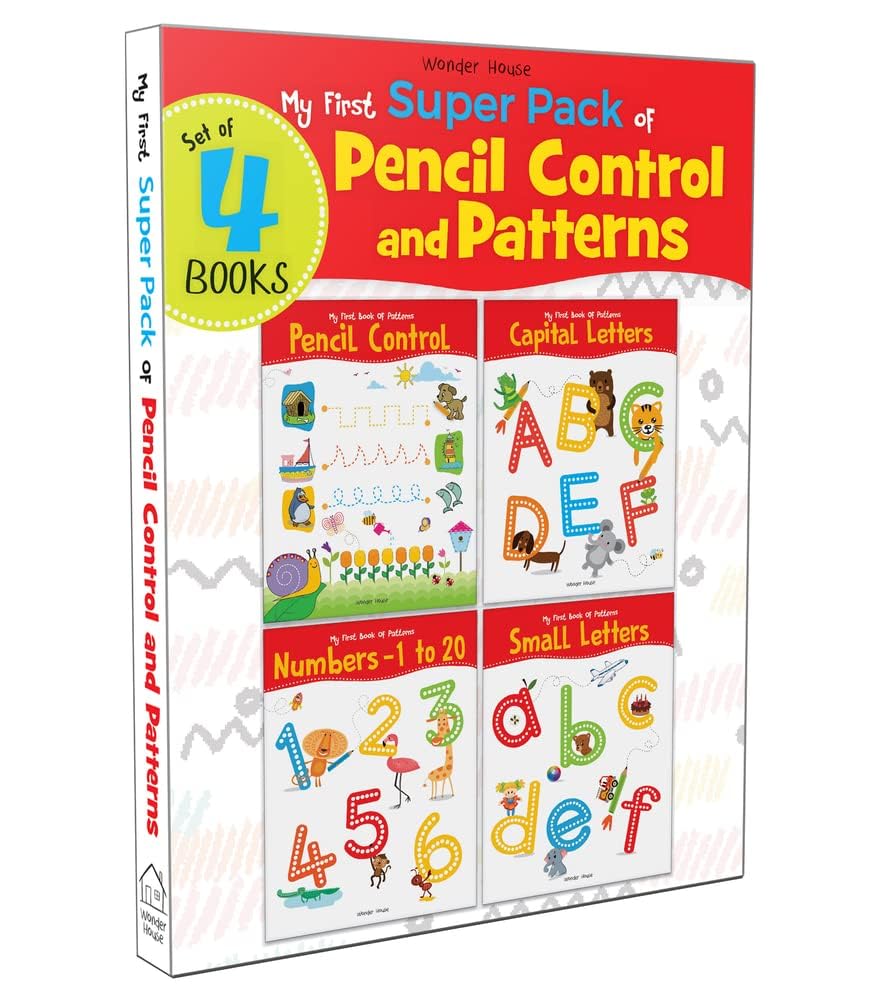
A great option for beginning pencil-control practice before children move into more advanced handwriting activities.
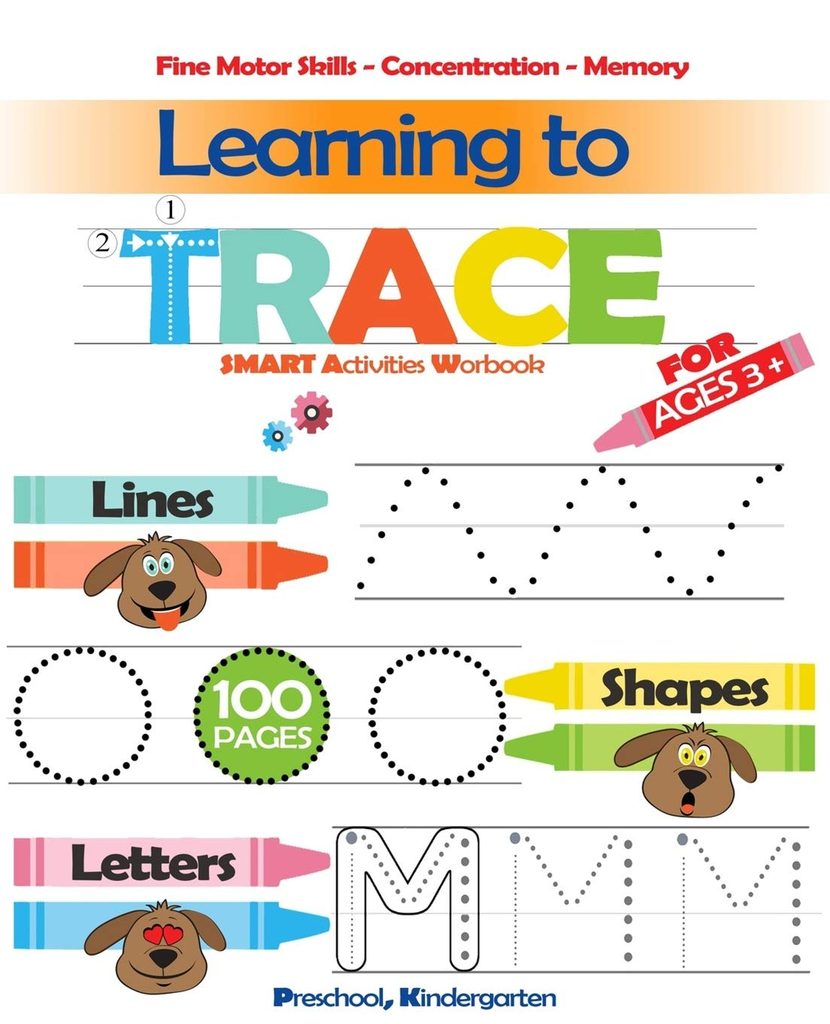
Tracing lines and shapes gives little learners an opportunity to practice controlling a pencil while developing early handwriting skills.
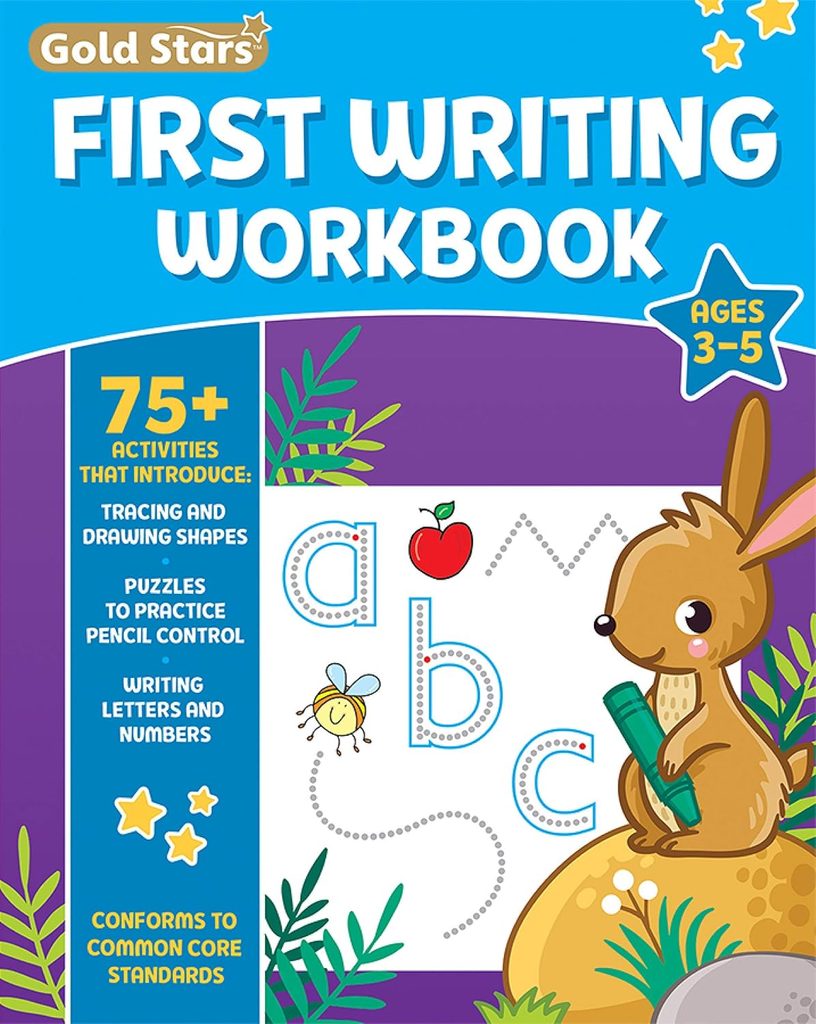
Another option for children who need practice with the foundational movements they’ll eventually use to form letters and numbers.
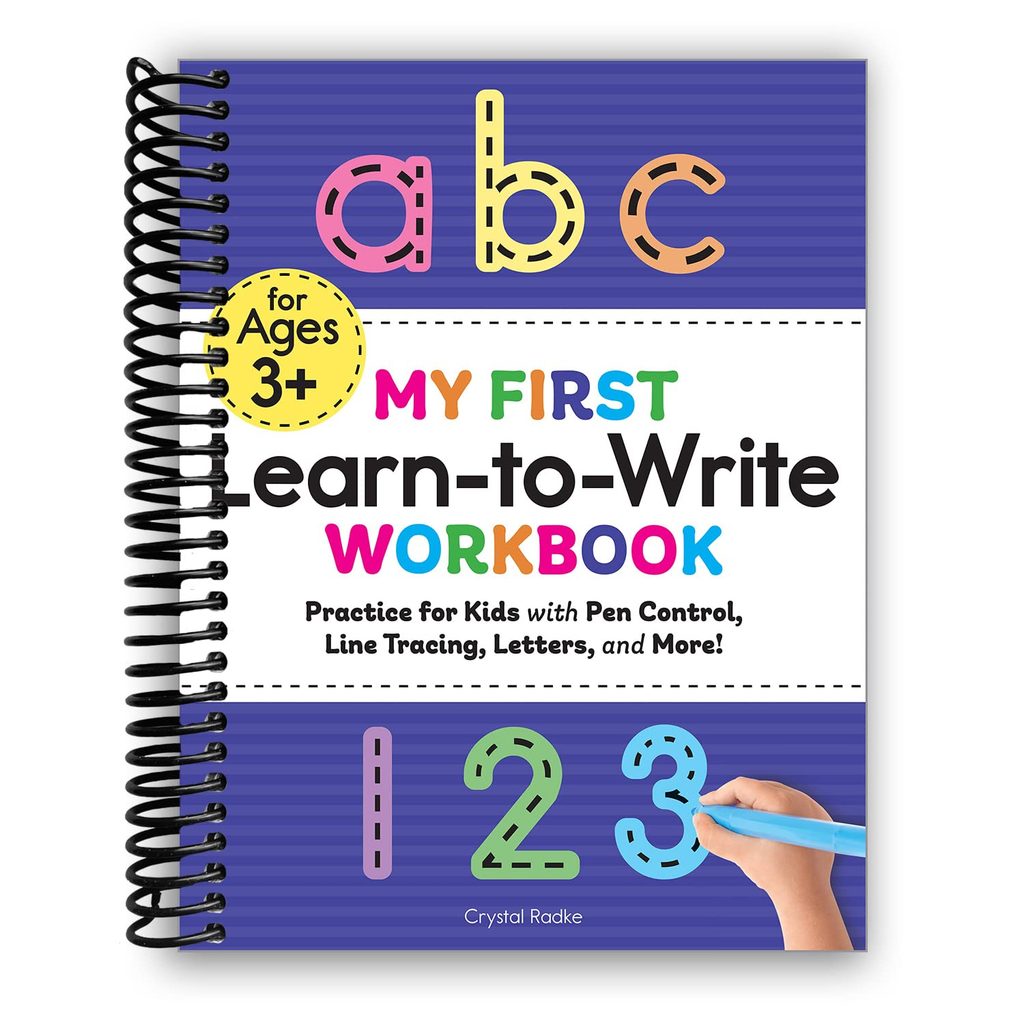
A natural next step for children who are ready to begin practicing early writing skills.
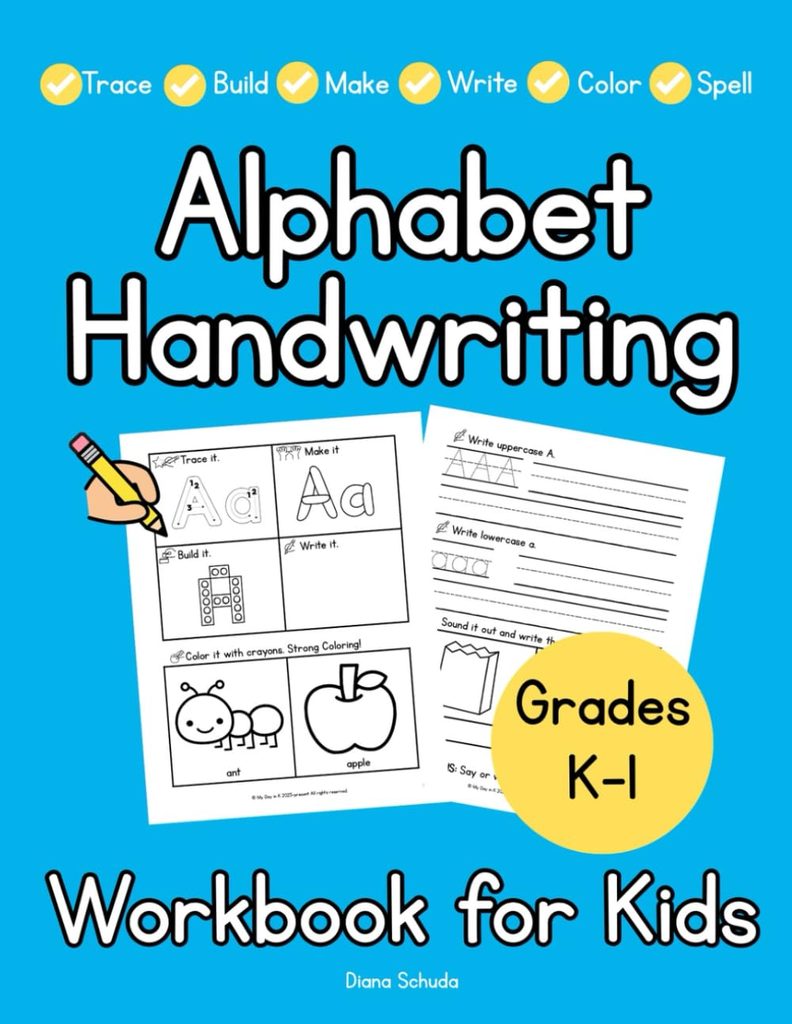
Perfect for adding letter formation to your preschooler’s learning routine.
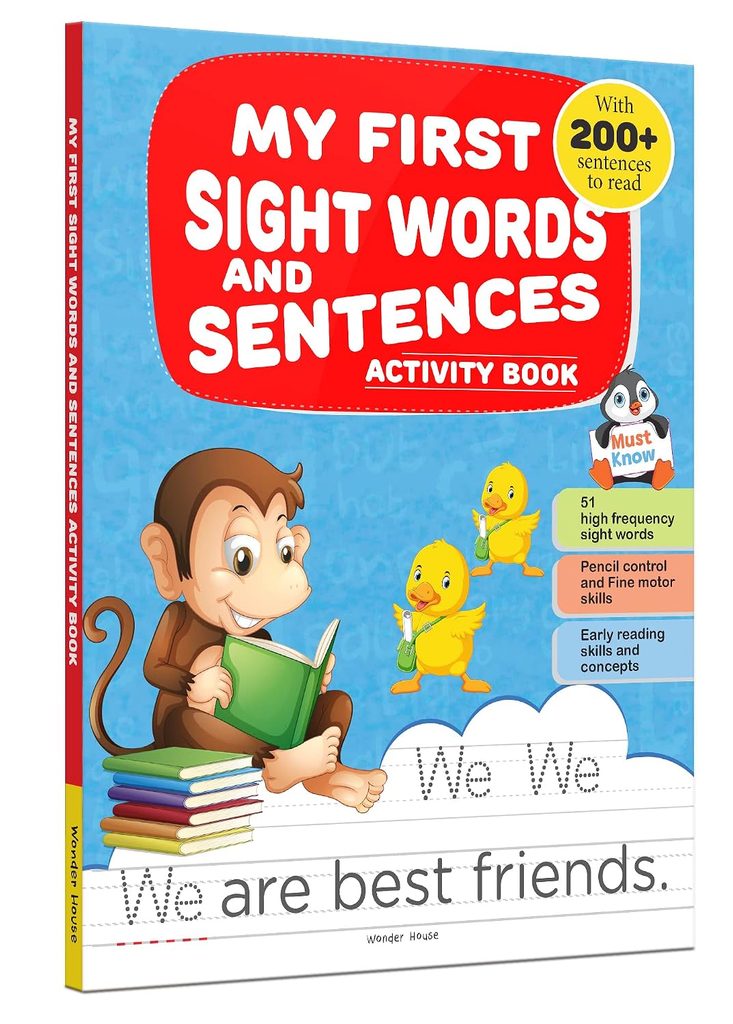
As children become more comfortable with letters, you can begin introducing simple words and early literacy concepts.
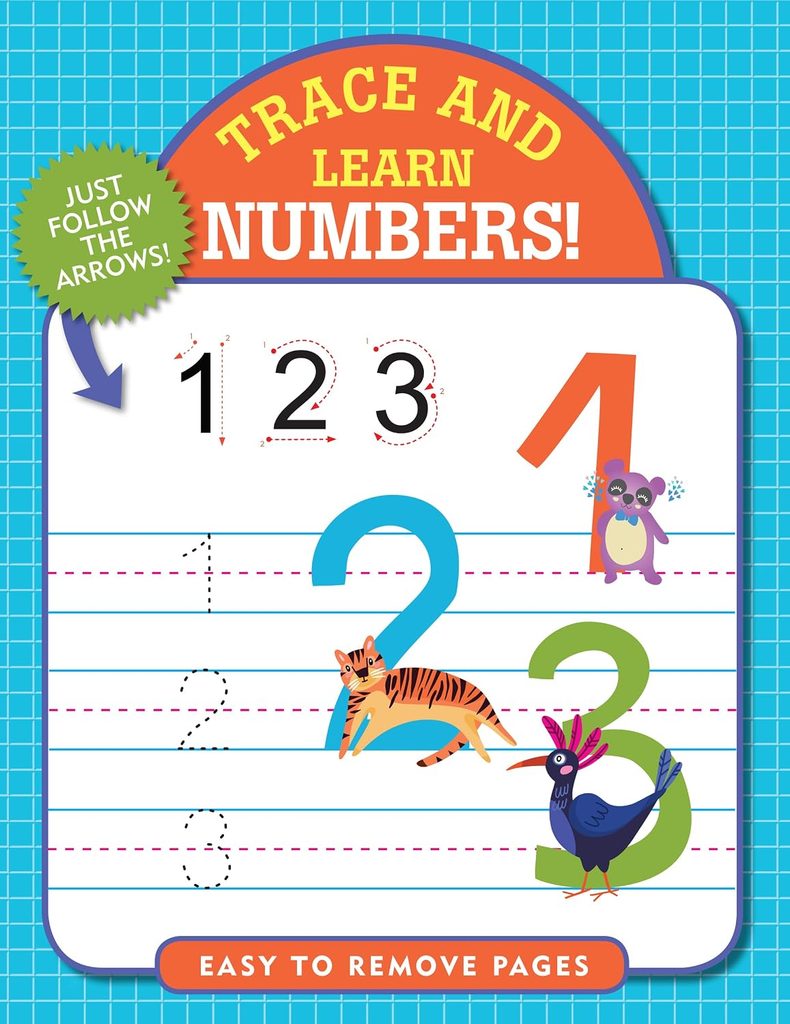
Don’t forget the numbers! Number-tracing activities combine early math recognition with handwriting practice.
2. Scissor Skills & Cut-and-Paste Books
Okay, Mama. Give them the safety scissors. I know some of y’all just got nervous! But supervised cutting activities can be fantastic for developing hand-eye coordination and fine motor skills.
My Pre-K Picks
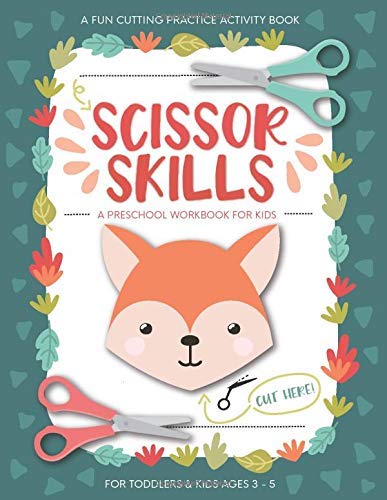
Use it to introduce your child to cutting lines, shapes, and simple pictures.
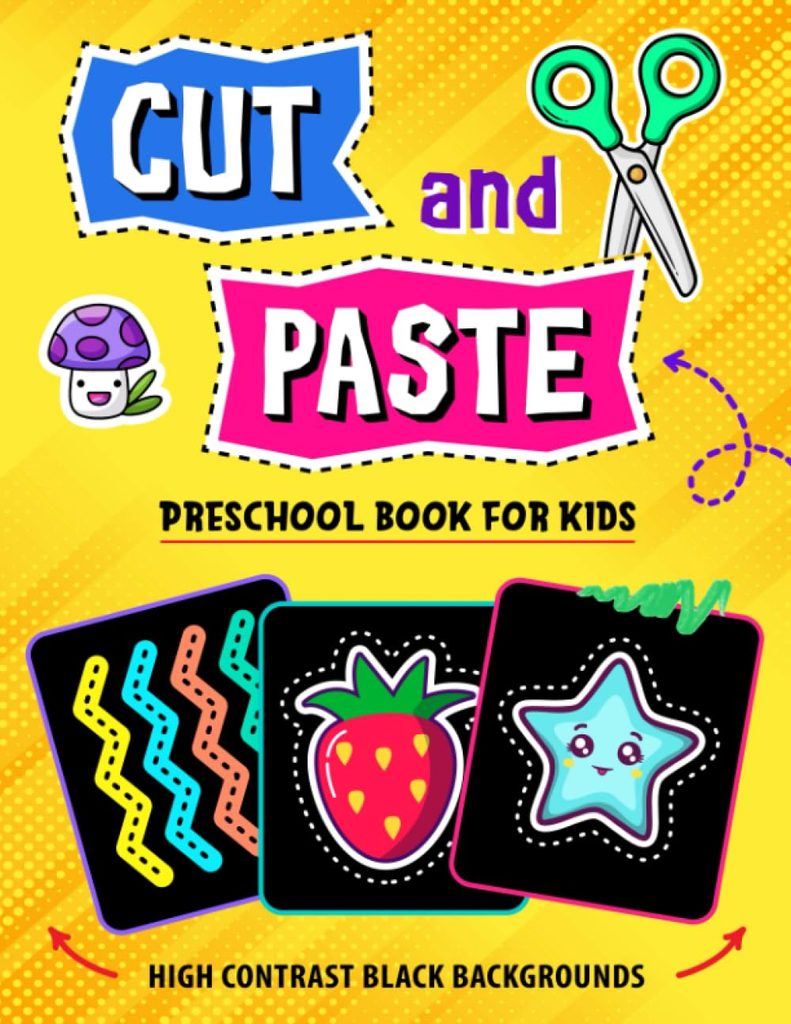
I love combining cutting with creating because children get to see a finished product after practicing the skill. And please don’t worry if that circle looks more like an octagon when they’re finished. We’re learning!
3. Mazes, Dot-to-Dots & Hidden Pictures
Some of my favorite learning activities are the ones where children don’t realize they’re learning.
My Pre-K Picks
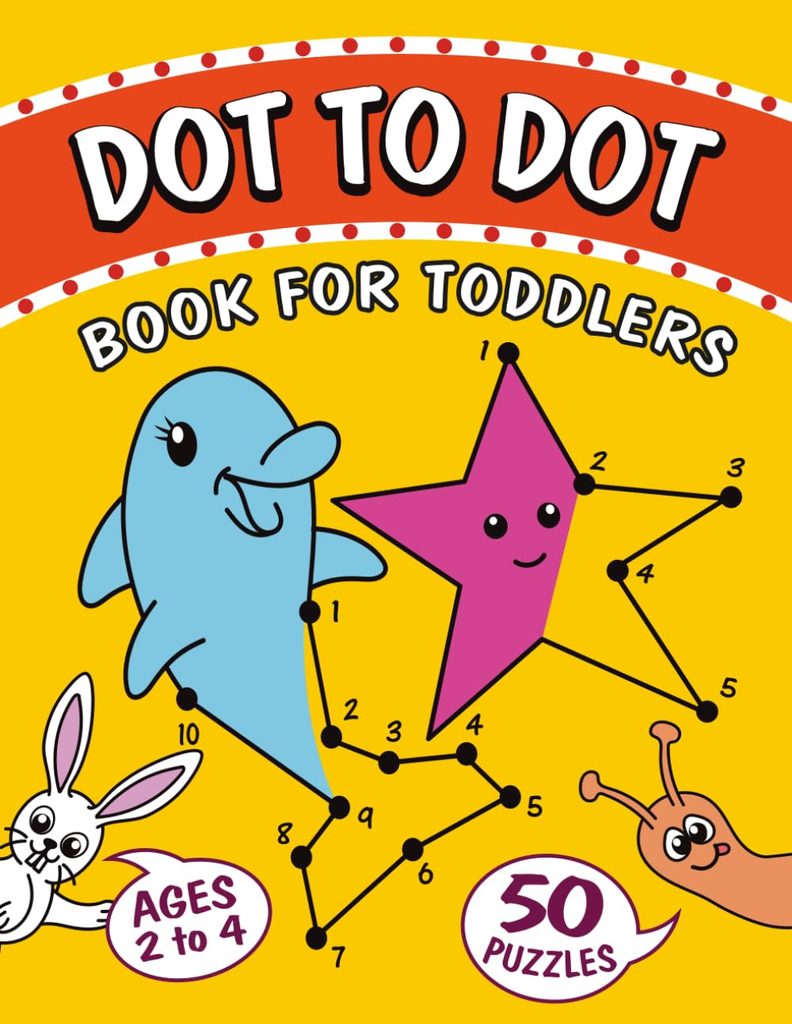
Dot-to-dot activities can combine number recognition, sequencing, pencil control, and fun.
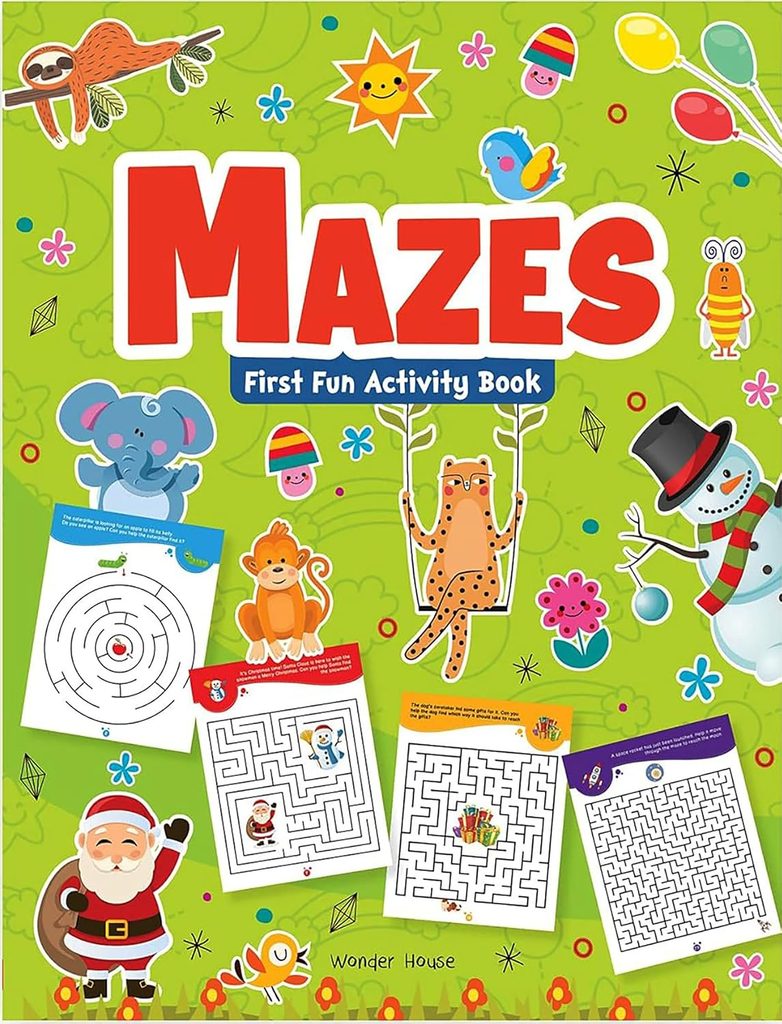
Mazes encourage children to think ahead, make choices, problem-solve, and keep trying when their first path doesn’t work. That sounds like more than a preschool skill to me!
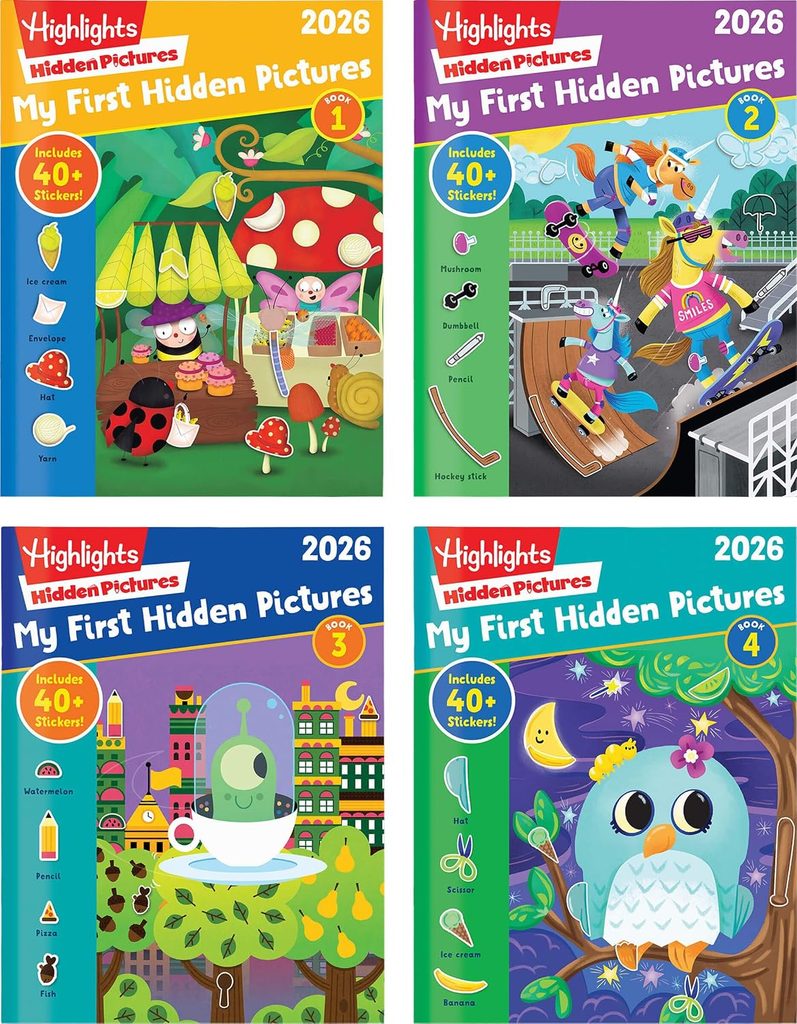
These activities encourage observation, visual attention, and concentration. To your child, it’s a game. To you, it’s an opportunity to learn. WIN-WIN.
4. Preschool Math Workbooks
Math for preschoolers should not feel like algebra preparation! At this age, we’re building a foundation.
Think:
Counting.
Matching.
Sorting.
Patterns.
Numbers.
Shapes.
Big and small.
More and less.
Same and different.
My Pre-K Pick
Preschool Math Workbook
Use math workbooks alongside real-life activities. Count the strawberries at snack time. Sort socks while doing laundry. Find circles around the house. Count the steps going upstairs.
When children realize that math exists everywhere, learning becomes much more meaningful.
5. Sticker Activity Books
Never underestimate the educational power of a STICKER! Sticker activity books can encourage matching, sorting, following directions, creativity, and fine motor development.
And honestly? Kids just love stickers. That alone can make them a great option for a reluctant little learner.
My Pre-K Pick
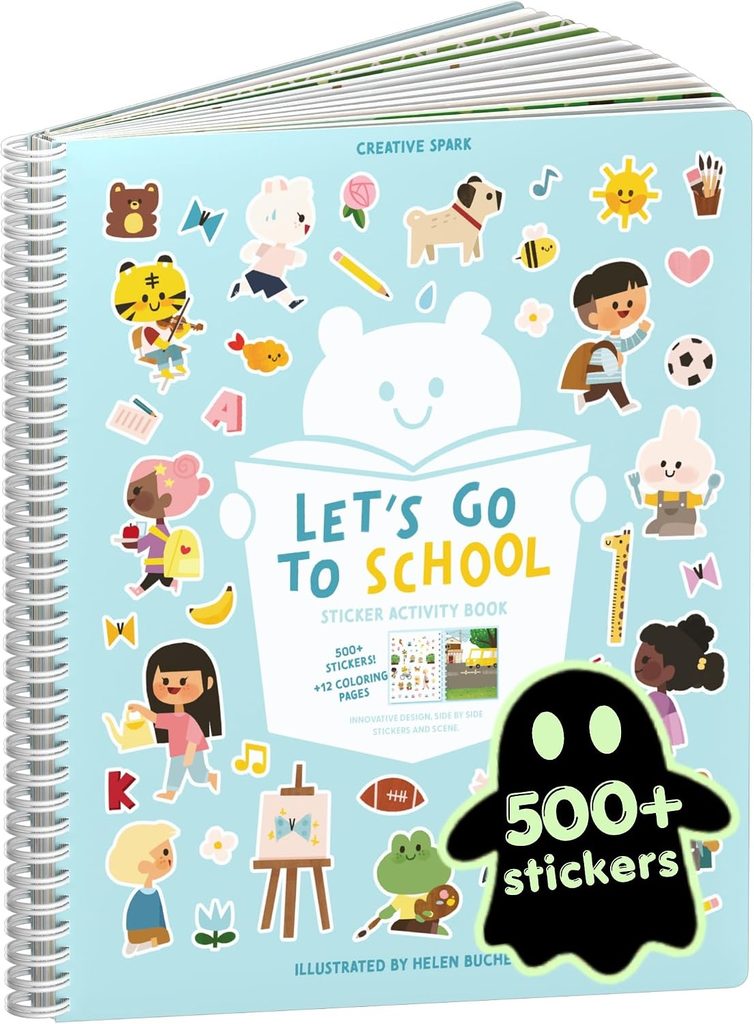
Use sticker activities as a fun break between more structured learning activities or take the book along for restaurants, travel, appointments, or quiet time.
6. Science Books for Curious Preschoolers
Remember those 572 “WHY?” questions? Let’s use them!
My Pre-K Picks
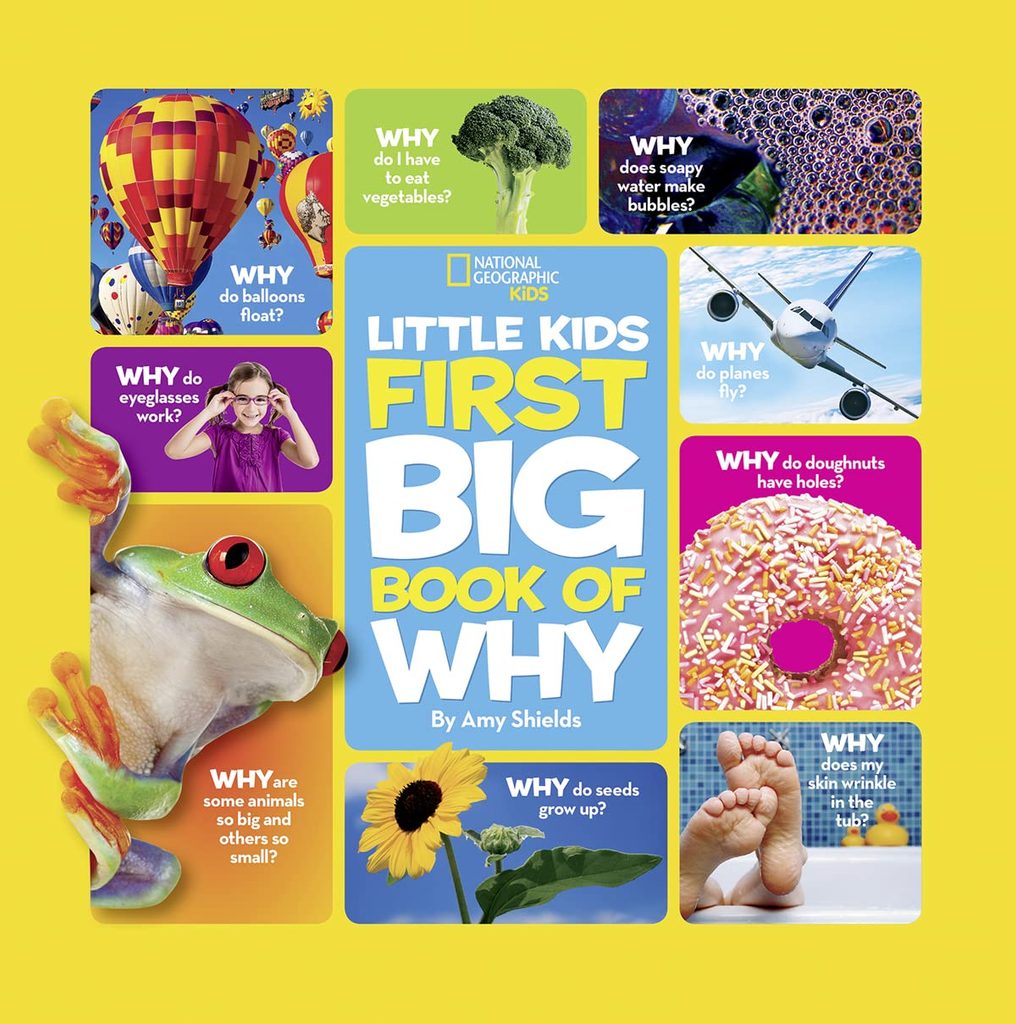
I love the entire idea behind this book because preschoolers are professional question askers. Why is the sky blue? How does animals tails grow? Why does it rain?
Why?
Why?
WHYYYYY?
Instead of seeing those questions as interruptions, let’s recognize them for what they are: Curiosity. Curiosity is one of the greatest tools a learner can have.
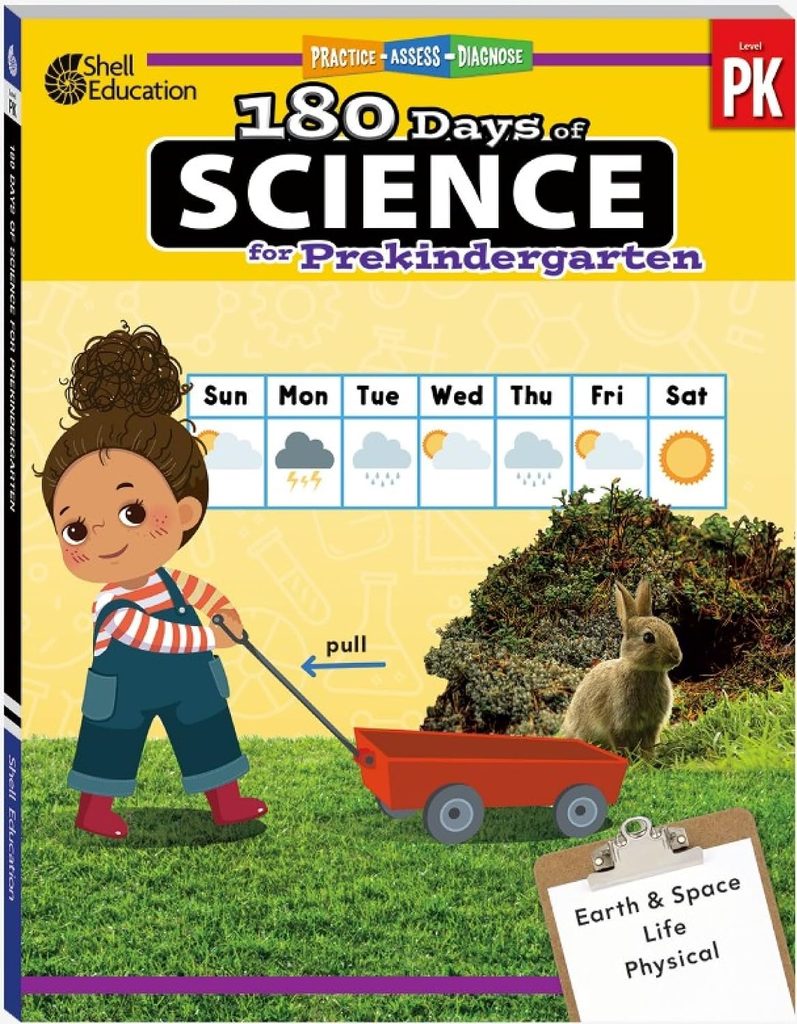
A preschool science workbook can introduce children to basic scientific ideas and help them explore the world around them. Science doesn’t have to start in a laboratory. It can start in the backyard.
The Most Important Learning Tool Isn’t on Amazon
You know what it is? YOU. Parents and caregivers are children’s first teachers. You don’t need a teaching degree. Neither do you need an elaborate homeschool room. And you don’t need the most expensive curriculum. Your child needs exposure, conversation, encouragement, consistency, opportunity, and love.
When they’re coloring an elephant, ask questions. “What color is your elephant?” “How many legs does an elephant have?” “Is an elephant bigger or smaller than a dog?” “Where do elephants live?” “What sound does an elephant make?”
One coloring page just became art + vocabulary + math + science + communication + imagination. That’s intentional learning. Start with your child’s interests and the skills you’re currently developing. Most importantly, learn WITH them. Undoubtedly the most important thing a child receives from an activity book isn’t what’s printed on the page. It’s confidence.
It’s the moment they look up at you after accomplishing something they couldn’t do yesterday, and you say: “LOOK AT YOU! You did it!” That’s how we build learners. That’s how we build confidence. That’s how we give our children the exposure they need to dream BIG.
Happy learning, Mama!
– LaToyia | The Motivated Mom