Therapy Ideas For Kids With Autism
When you love a child with autism, you learn very quickly that the world doesn’t always feel the same to them as it does to everyone else.
I know this personally because of my Elijah.
There are things that may seem simple to another child, a new environment, a loud room, a change in routine, certain textures, being around a lot of people, that can feel completely different for Elijah. And over the years, I have learned that my job isn’t to force him to experience the world the way everyone else does. My job is to help create opportunities for him to experience the world in ways that feel safe, meaningful, joyful, and successful.
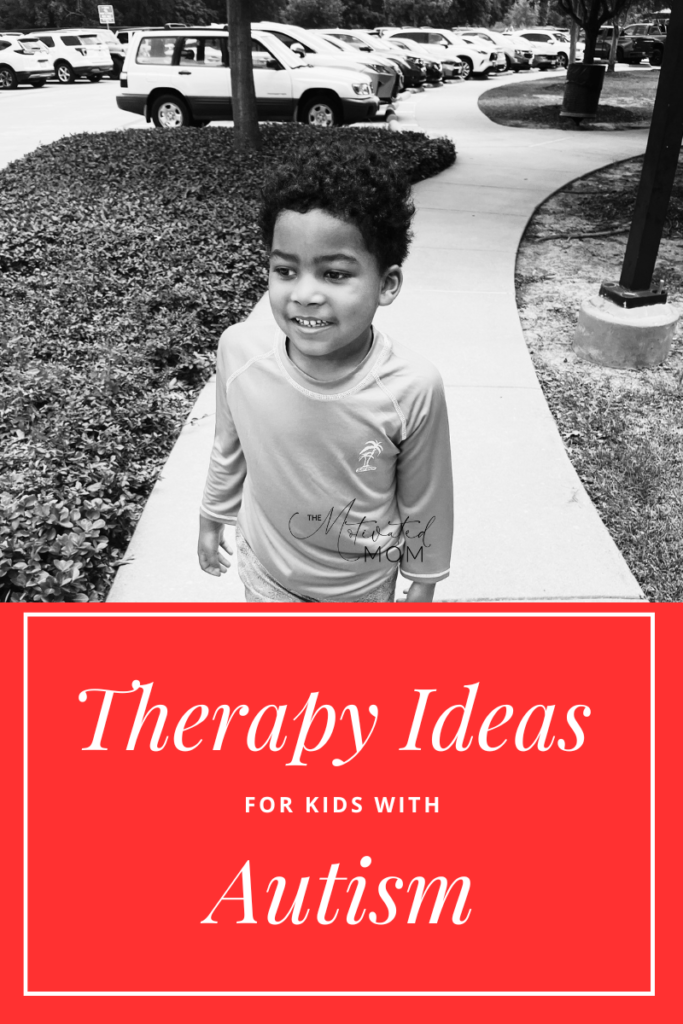
That is one of the reasons I believe recreation and physical activity can be so powerful for children with autism.
Autism spectrum disorder is a developmental disability that can affect communication, social interaction, behavior, sensory processing, and the way a child experiences the environment around them. But one thing I wish more people understood is this: a diagnosis tells you something about a child, but it does not tell you everything about that child.
Elijah has taught me that. I have watched him grow from a little boy finding his way to communicating with words and sentences. Every milestone matters. Every new experience matters. And sometimes the greatest progress doesn’t happen sitting at a table. Sometimes it happens while a child is moving, playing, swimming, jumping, riding, laughing, exploring, or simply feeling comfortable enough to engage.
Movement Can Be Medicine
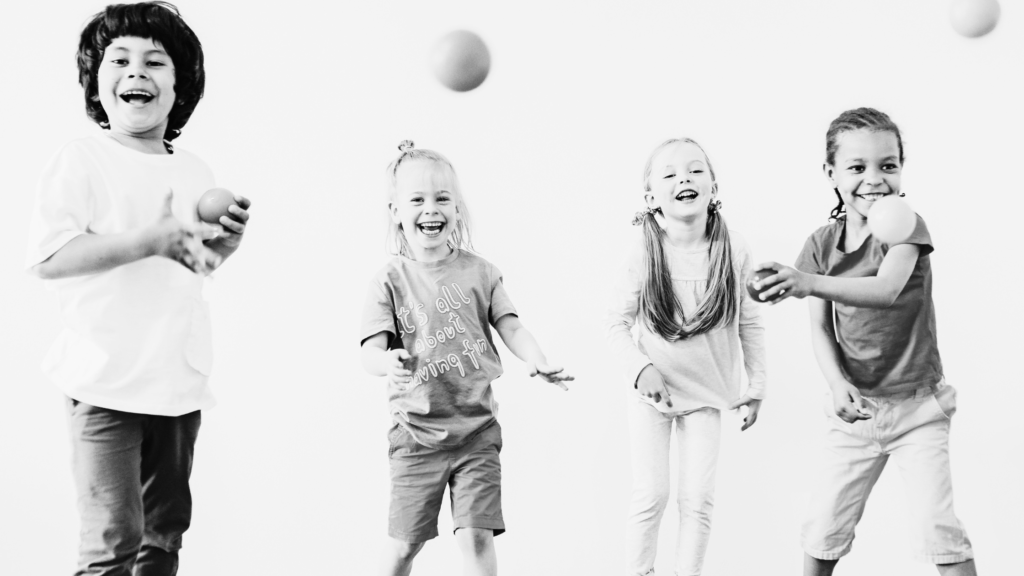
Physical activity can be especially beneficial for children with autism because movement provides an outlet for energy while also supporting coordination, body awareness, emotional regulation, and overall wellness.
As a parent, I’ve learned that sometimes what looks like a “behavior” is actually communication. A child may be overwhelmed, overstimulated, or simply need to move. In some cases, the child may be trying to regulate their body but doesn’t yet have the words to explain what they need.
That understanding changes the way you respond. Instead of immediately asking, “How do I stop this behavior?” I have learned to ask, “What is my child trying to tell me?”
Recreational activities can give children another way to communicate and regulate without requiring them to explain everything verbally.
Water Can Create a Different Kind of Freedom
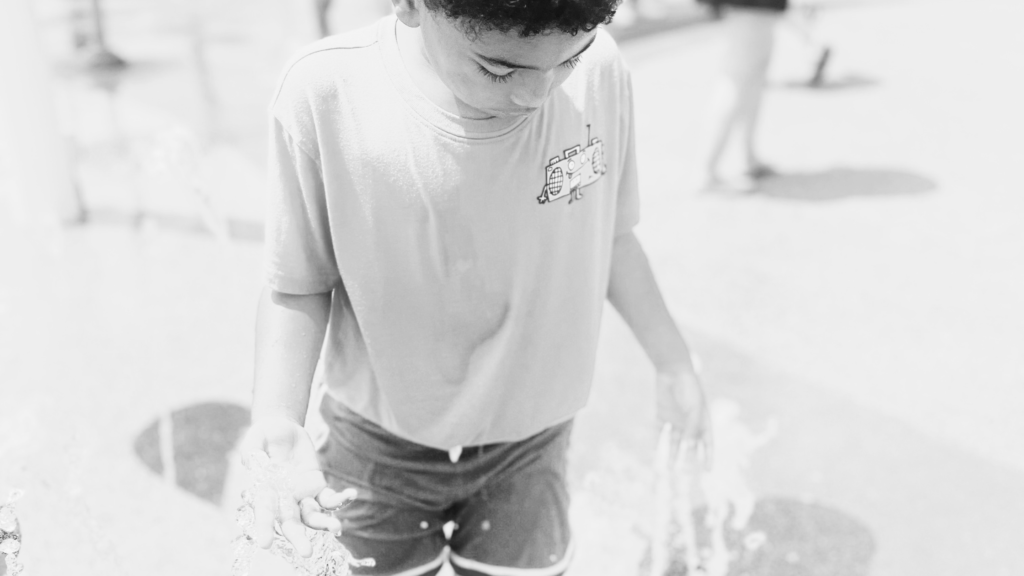
Swimming and aquatic activities can be wonderful experiences for some children with autism. Elijah loves to swim.
Water provides sensory input throughout the body, and for some children, that experience can be calming and regulating. Aquatic activities can also support balance, coordination, strength, body awareness, motor development, and confidence.
But what I love most about recreation is that it gives our children opportunities to experience success. When you are raising a child with additional needs, much of your life can become centered on what needs improvement: appointments, evaluations, therapies, goals, milestones, and progress reports. Sometimes our babies just need a chance to have fun.
They need spaces where nobody is measuring them against another child. And we, as parents, need the opportunity to see them enjoying life instead of constantly worrying about the next developmental goal.
Gymnastics, Movement, and Learning Their Bodies
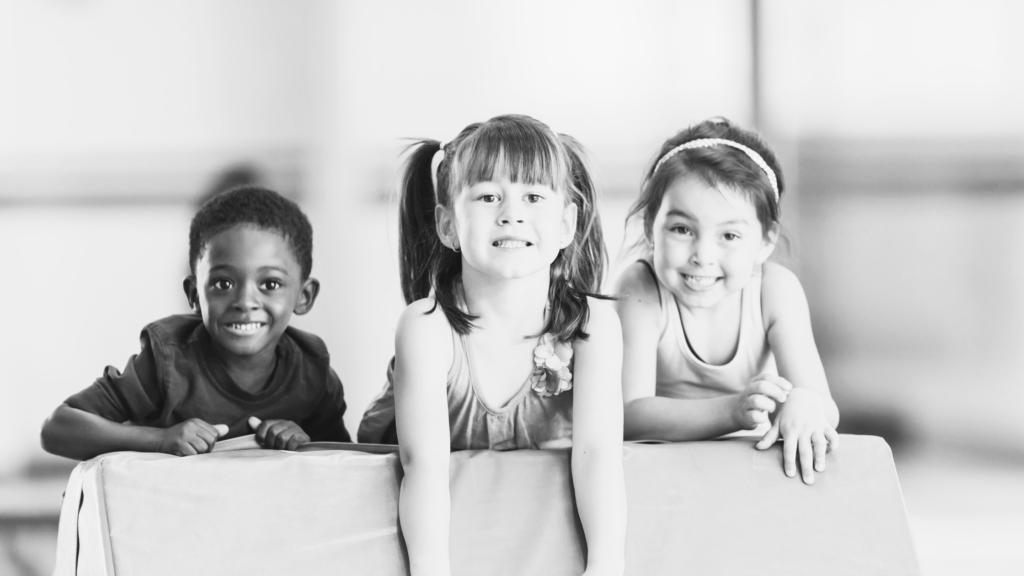
Activities like gymnastics can also be beneficial because they combine movement, repetition, balance, coordination, listening, and sensory experiences.
For a child with autism, walking across a balance beam, learning to tumble, jumping on a trampoline, or completing a simple obstacle course can be about much more than exercise.
It’s a huge confidence builder. It can be learning, I can do this. They are practicing following directions in a safe environment. It can be learning how their body moves through space.
And sometimes it can simply be a place where they are allowed to move without someone constantly telling them, “Sit down.”
That matters.
Horses, Animals, and Connection Without Words
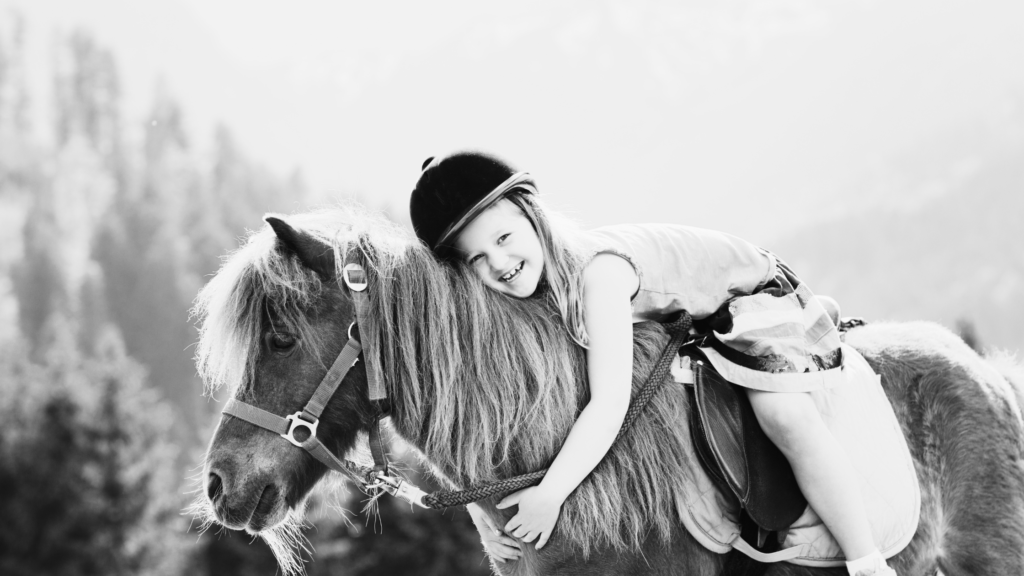
Another recreational activity that has been meaningful for many families is therapeutic horseback riding. We have not personally tried this, but it is on my list.
The rhythmic movement of a horse can provide sensory input, while horseback riding can help develop balance, coordination, core strength, confidence, and emotional connection. What I find beautiful about animal-assisted activities is that animals don’t require children to communicate the way people do.
They aren’t concerned about whether a child makes eye contact. If a word is not fully pronounced, the animals don’t care at all. They don’t ask why a child is moving differently or needs extra time. They simply respond to connection.
Dogs can provide that same kind of relationship. For some children with autism, interacting with a dog can encourage communication, responsibility, companionship, emotional regulation, and social interaction.
And sometimes that connection begins without a single word.
As Elijah has grown, one of the greatest lessons he has taught me is that communication is bigger than speech. Connection is bigger than eye contact. And progress is bigger than a developmental checklist.
Find What Works for Your Child
Every child with autism is different.
What calms one child may overwhelm another. My child may love water, while another may hate getting wet. Some may love animals, others may be afraid of them. Your child may enjoy a busy gymnastics class, another may need a quieter environment with fewer people.
That is why I don’t believe there is one magical activity for every child with autism. The goal is to discover what makes your child come alive.
Watch them. Listen to them, even when they aren’t using words. Pay attention to what relaxes their body. Notice what makes them smile. Then build from there.
I’ve learned to celebrate Elijah for who he is while continuing to give him opportunities to grow. Autism is part of his story, but it is not the sum total of who he is. He is funny, smart, affectionate, creative, loving, and as cute as he can be.
And he has taught me to see progress differently. Sometimes progress is a new word. Other times, it’s tolerating something that used to feel overwhelming. Progress is trying a new activity or making friends. And sometimes progress is simply watching your child experience joy.
As parents, caregivers, educators, and advocates, we should absolutely provide children with therapies and supports that help them develop. But we should also make room for recreation, exploration, friendship, movement, laughter, and fun.
Because our children aren’t projects to be fixed. They are children who deserve the opportunity to experience everything life has to offer. And if there is one thing Elijah continues to teach me, it is this:
Don’t underestimate what a child can do simply because they may do it differently.
Give them the opportunity to grow and develop. Support them without expectations. And give them time and room to surprise you!